Our Blog

Children and Halitosis

January 23rd, 2019

Many parents are unaware that children can also suffer from symptoms of halitosis, better known as chronic bad breath. This common oral problem affects a majority of the population, including both adults and children. During treatment for this condition, it’s worthwhile to focus on the cause of the problem. Take a look at the most common reasons why your child might develop bad breath.

Having constant bad breath can be embarrassing and troublesome. Most often, boys and girls develop halitosis as a side effect of some sort of upper respiratory infection. It may be a common cold, allergies, or flu symptoms.

When the nasal passages are blocked, it’s more likely that your child will breathe through the mouth. Mouth breathing may also occur if your youngster is put on medication that decreases saliva flow. Mouth breathing can make bad breath much worse if there isn’t enough saliva to cleanse the area.

Another cause of halitosis in children can be tonsillitis. When your child’s airway is constricted, he or she is more likely to mouth-breath. When the tissues in your mouth dry out, bacteria will grow and increase in potency. If you notice symptoms of tonsillitis in your child such as a fever, swollen throat, trouble swallowing, chills, or congestion, get your little one to treatment right away.

Halitosis in children is can also be caused by an infection of the mouth. If your child’s teeth or gums are infected, odor will developed if untreated. Infection can occur due to inadequate brushing and flossing, which can lead to gum disease or cavities. If cavities are left untreated, they can develop a strong, noticeable odor. If you think your child has an infection or cavity, contact Pediatric Dentistry of Spartanburg and schedule an appointment.

Other causes of halitosis may be certain pungent foods your child eats, or bacteria built up on the tongue. Make sure your son or daughter brushes and flosses thoroughly every day. Some mouthwashes may be beneficial for your child to alleviate bad breath caused by leftover bacteria in the mouth. Other ways of treating of halitosis can vary, based on the cause of the problem.

If you’re unsure about why your child has halitosis, contact Pediatric Dentistry of Spartanburg and we can help you figure out where the issue originated. Remember, masking symptoms of bad breath with gum or mints will be only a temporary fix. Your child’s bad breath problems can be helped with a little investigation from Dr. HJ Turner and Dr. DJ Turner. Always feel free to call our Spartanburg, SC office if you are concerned about your child’s oral health.
Using Sippy Cups Successfully

January 16th, 2019

Congratulations! Your child is beginning to leave her bottle behind and has started to use her first sippy cup. And the best training cup is one that makes the transition from bottle to cup an efficient, timely, and healthy one.

The Right Training Cup

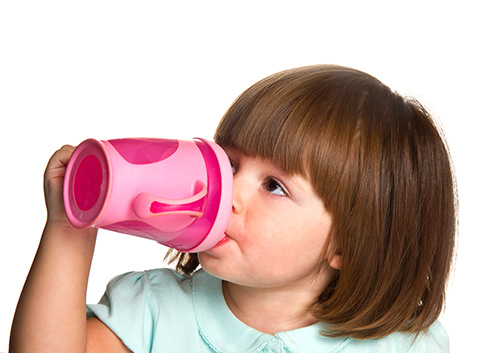
While a “no spill” cup seems like the perfect choice for toddler and parent alike, those cups are designed much like baby bottles. The same valve in the no-spill top that keeps the liquid from spilling requires your child to suck rather than sip to get a drink. If your child’s cup has a top with a spout, she will learn to sip from it. Two handles and a weighted base make spills less likely.

When to Use a Training Cup

Children can be introduced to a sippy cup before they are one year old, and we suggest phasing out the bottle between the ages of 12 and 24 months. Use a sippy cup as the source for all liquids at that age, and only when your child is thirsty and at mealtime to avoid overdrinking. The transition from sippy cup to regular cup should be a swift one.

Healthy Sipping Habits

The best first option in a sippy cup between meals is water. Milk or juice should be offered at mealtimes, when saliva production increases and helps neutralize the effects of these drinks on young teeth. And don’t let your child go to sleep with anything other than water—falling asleep with a cup filled with milk, juice, or other sugary drinks means these liquids stay in the mouth overnight. Finally, while a sippy cup is convenient and portable, don’t let your young child walk and sip at the same time to avoid injuries.

When your child comes to our Spartanburg, SC office for her first visit, please bring any questions you might have about training cups. We would be glad to share ways to make the move from bottle to cup both successful and safe!

Brushing: Before or after breakfast?

January 9th, 2019

In a perfect world, we would all jump out of bed ready to greet the day with a big smile and a toothbrush close at hand to clean our teeth immediately. But if you can’t even find your toothbrush before you’ve had your first cup of coffee, does it really make a difference if you brush and floss after breakfast? Perhaps! Let’s talk biology.

Normal saliva production during the day benefits our teeth and mouths in surprising ways. Saliva washes away food particles to keep our teeth cleaner. It contains cells which combat bacteria and infection. It even provides proteins and minerals to help protect our teeth from decay. But saliva production slows dramatically as we sleep, and the amount of bacteria in our mouths increases. While one of the nasty—and obvious—side effects of bacterial growth is morning breath, there is an invisible effect, which is more harmful. Bacteria in plaque convert sugar and carbohydrates into acids which attack our gums and enamel and can lead to both gingivitis and cavities.

  • If You Brush Before Breakfast

Brushing and flossing first thing in the morning removes the plaque that has built up during the night and takes care of many of the bacteria who are ready to enjoy the sugar and carbs in that breakfast with you. If you brush before eating breakfast, rinse your mouth with water after your meal, floss if needed, and you are good to go.

  • If You Choose to Brush After Breakfast

But if you decide that doughnut simply can’t wait, you should ideally postpone brushing for 20-30 minutes after your meal. Of course, these are minutes in which bacteria can make use of those new sugars and carbohydrates. So why shouldn’t you brush immediately after eating? Many foods and beverages, especially acidic ones such as grapefruit and orange juice, can weaken the surface of your teeth. If you rinse with water after eating and wait at least 20-30 minutes before brushing, your enamel will be “remineralized” (another benefit of saliva) and ready for cleaning.

No matter if you take a “seize the day” approach and brush first thing in the morning, or a “seize the doughnut” approach and brush soon after eating, the important word here is “brushing.” Dr. HJ Turner and Dr. DJ Turner and our Spartanburg, SC team are happy to make suggestions as to the best morning routine for you. One thing is certain: if you give your teeth and gums two minutes of careful brushing and flossing in the morning, you can’t help but start your day off right!

Toothbrush Care

January 2nd, 2019

You found the perfect toothbrush! The bristles are soft, to avoid irritating your delicate gum tissue. The angle of the bristles is perfect for removing plaque. The handle is durable and comfortable when you spend at least two minutes brushing in the morning and two at night. Why, you love this toothbrush and you’ll never let it go… for the next three or four months.

The life of a toothbrush is naturally a short one. Dr. HJ Turner and Dr. DJ Turner and our team recommend replacement every three to four months because the bristles become frayed and worn with daily use. They cannot clean as effectively when the bristles begin to break down, and, depending on your brushing style, may wear out even more rapidly. (Children will probably need to replace toothbrushes at least every three months.) But even in the short time you have your toothbrush, there are ways to keep it ready for healthy brushing.

  • Don’t share. While sharing is normally a virtue, sharing toothbrushes can lead to an increased risk of infections, especially for those with compromised immune systems or existing infectious diseases. Similarly, keep different brushes separate when drying to avoid cross-contamination.
  • Rinse thoroughly after brushing. Make sure to remove any toothpaste or debris left after you brush.
  • Store the brush upright. Air-drying is the preferred way to dry your brush, as covering the brush or keeping it in a closed container can promote the growth of bacteria more easily.

There are several products on the market that promise to sanitize your brush. The verdict is still out on its success, but if you or someone in your home has a compromised immune system, call our Spartanburg, SC office to see if it might be worth your while to check them out.

Even though your toothbrush won’t be with you long, make its stay as effective and hygienic as possible. And if you find a brush you love—stock up!

“Dr. Jensen and his staff are wonderful! They are caring, knowledgeable, and friendly. We have been with Pediatric Dentistry of Spartanburg for over a year now and I'm happy we found them. I wouldn't want my children to go anywhere else.”

~ Sequita W

“Both of my daughters have been patients of Dr. Turner for years. I have found Dr. Turner and his staff always to be loving, caring, and professional.”

~ Lois W

“They are always gentle with my children. They make them feel very comfortable too. We have been coming for so long that they are like family.”

~ Liva R
patient photo patient photo patient photo
Back to Top